Cloudflare, Nginx, and Next.js: How My Stack Handles Traffic
April 23, 2026 | 4 min readA request to heathschweitzer.com passes through three distinct layers before reaching Next.js. Here's what each one does and why each is in the stack.
Writing about technology, web development, bitcoin, cocktails, and more.

A request to heathschweitzer.com passes through three distinct layers before reaching Next.js. Here's what each one does and why each is in the stack.

Holding Bitcoin on an exchange means holding an IOU. Here's what self-custody actually means technically, why it matters, and what the FTX collapse illustrated.

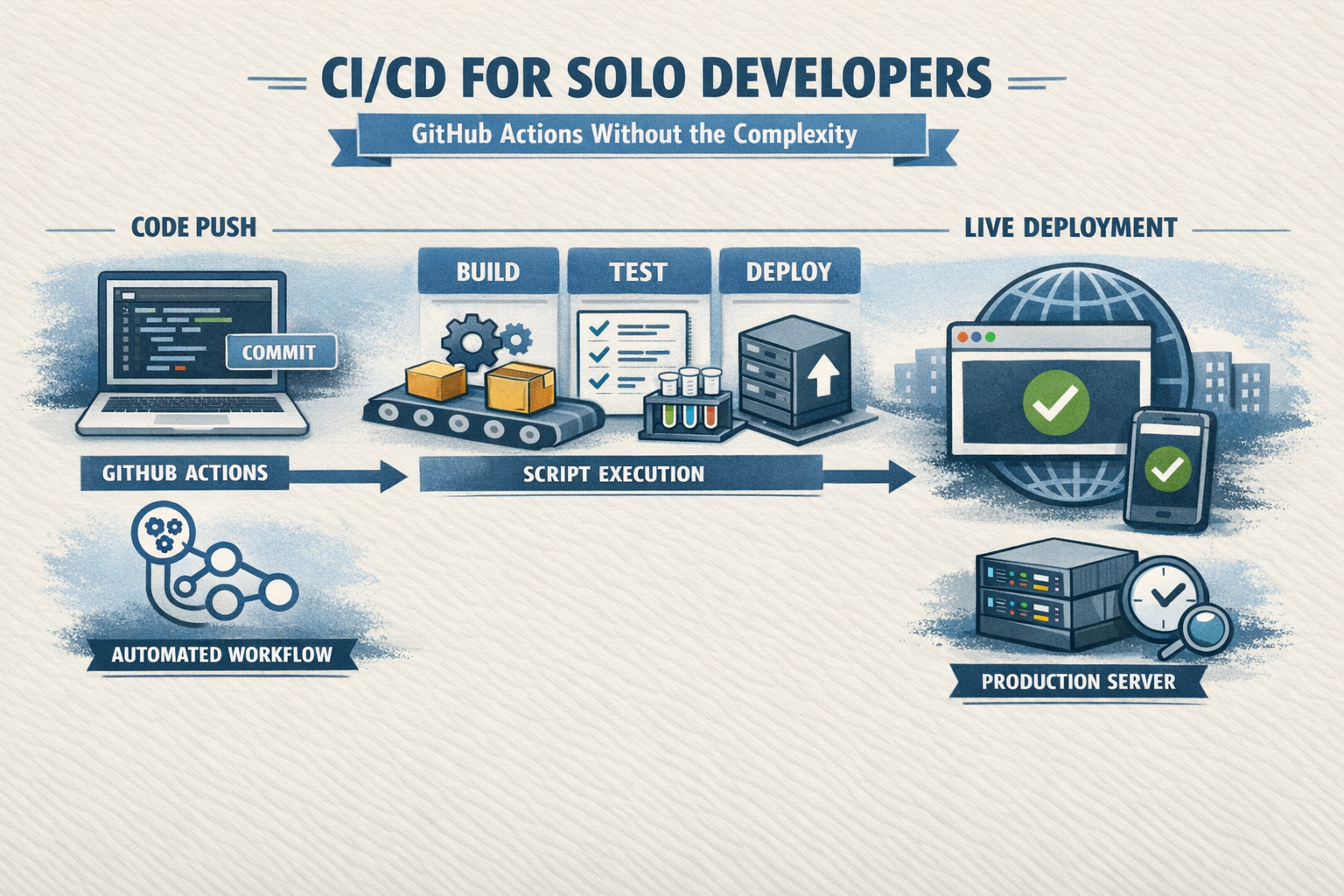
CI/CD sounds like enterprise infrastructure. It's not. Here's how I built a push-to-deploy pipeline for a solo project that takes 40 seconds and requires zero manual intervention.

Every four years Bitcoin's block reward is cut in half. Here's the mechanism behind it, the historical pattern, and the honest caveats about what it means going forward.

HTTPS, SSH, Bitcoin, JWTs — they all rely on the same mathematical principles. Understanding public key cryptography pays dividends across everything you build.

Bitcoin mining has a PR problem. Neither the critics nor the promoters engage seriously with what mining actually does. Here's the technical reality.

Vercel is the easiest way to deploy Next.js — but not the only way. Here's how I run heathschweitzer.com on a DigitalOcean VPS with PM2, Nginx, and GitHub Actions.

You hit send and a few minutes later the recipient has Bitcoin. A surprising amount of cryptography and distributed systems engineering happens in between.

I built my own CMS instead of using Payload, Sanity, or WordPress. Here's what I learned — and when that decision makes sense versus when it's a waste of time.

There will only ever be 21 million Bitcoin. Not because someone promised it — because math enforces it, verified independently by every node on the network.